By David James · November 2026
Short answer: yes, but less than the hype suggests, and more for some athletes than others. Research points to roughly a 2% advantage in middle-distance races such as the 800m and 1500m. In elite sprinting, times improved by about 0.4% to 1.5% after super spikes arrived, and super spikes probably explain part of that. For a beginner, training and technique still matter far more than footwear.
What is a super spike?
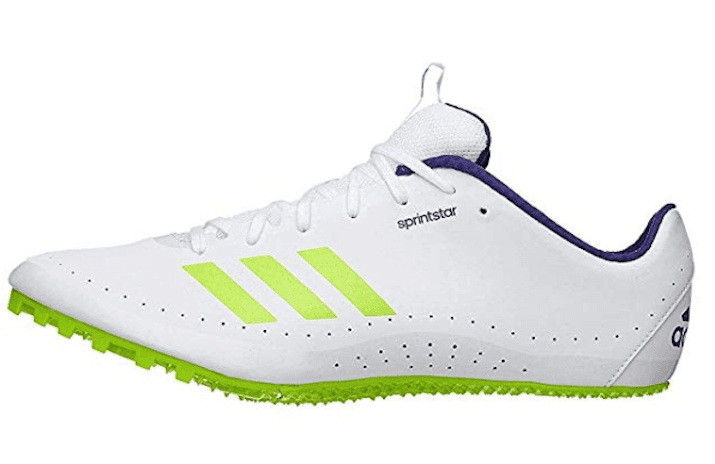
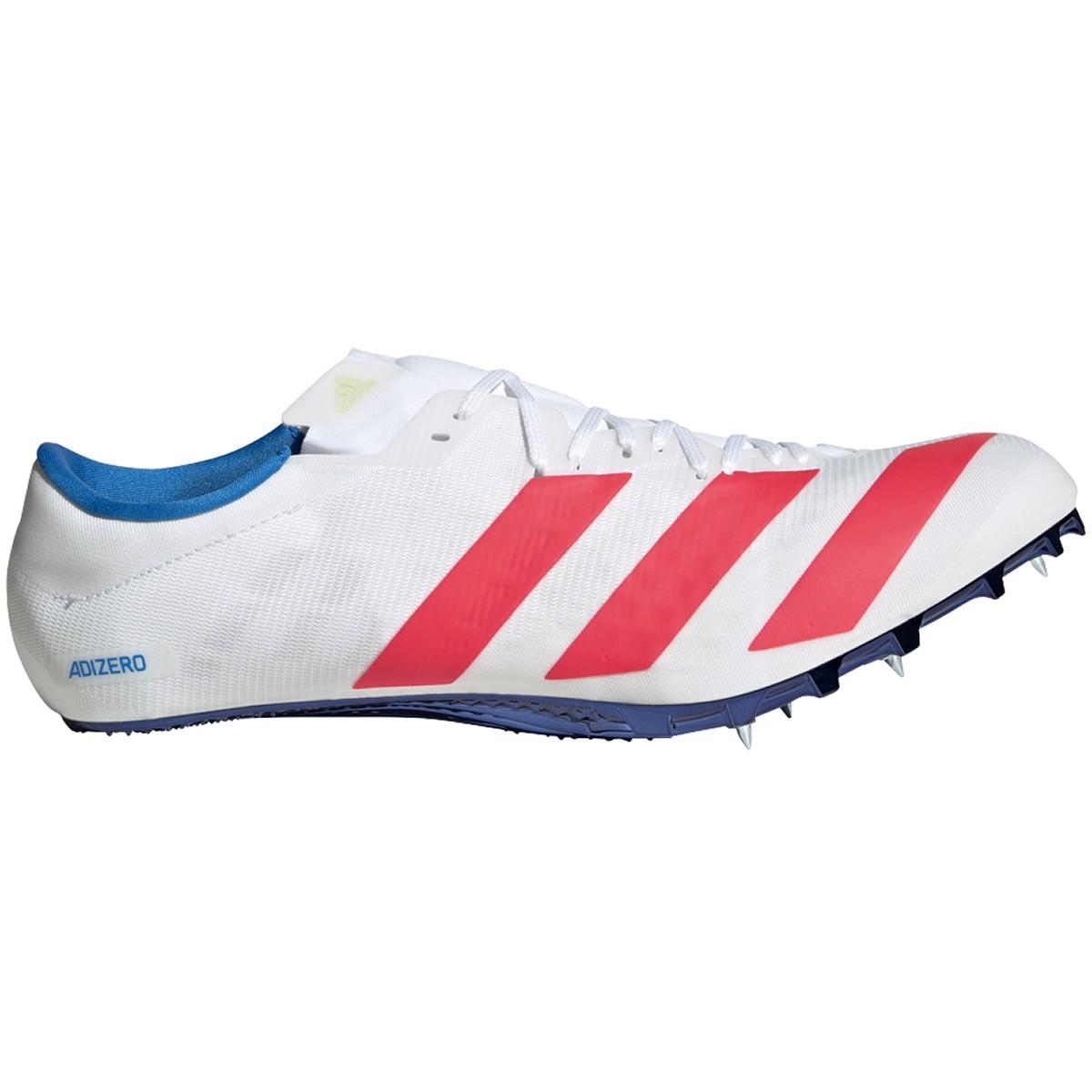
A super spike pairs a light, springy foam (or air pods) with a stiff plate made of carbon fibre, nylon or Pebax. That's the definition researchers use, and it's what separates a super spike from a traditional thin spike that has only a plate (Mason et al., PeerJ 2023). Examples include the Nike Maxfly 2, Dragonfly 2 Elite and Air Zoom Victory, the adidas Prime SP range and the New Balance MD-X.
Middle distance: about 2% faster
A study led by Wouter Hoogkamer at the University of Massachusetts Amherst found that super spikes gave runners roughly a 2% edge in middle-distance races like the 800m and 1500m, compared with traditional spikes (UMass Amherst). The runners got faster by taking longer steps, not quicker ones: the researchers estimated 17 to 21 fewer steps over 1500m. They also noted that not all super spikes perform equally.
What 2% means in practice:
| Race time | 2% faster |
|---|---|
| 800m in 2:00 | About 2.4 seconds |
| 1500m in 4:00 | About 4.8 seconds |
| 1500m in 5:00 | About 6 seconds |
Sprints: smaller, but real at the elite level
A 2023 study looked at the season-best times of the world's top 100 and top 20 sprinters each year from 2016 to 2022 (Mason et al., PeerJ 2023). Here's what it found:
- Times were flat before super spikes. There were no significant year-to-year improvements from 2016 to 2019 in any sprint event.
- Then they got faster. In 2021 and 2022, eight of 10 sprint and hurdle events improved significantly in the top 20, by between 0.40% (men's 100m) and 1.52% (women's 400m hurdles).
- Super spikes were linked to faster times in six of 10 events, including the men's and women's 100m.
- Women gained more than men. The authors suggest one reason may be that a 20mm sole adds relatively more leg length for a shorter athlete.
- Adoption was rapid. 42.5% of the top 20 athletes wore super spikes in their best race in 2021, rising to 88.5% in 2022.
The authors are clear that footwear isn't the whole story. Other factors, including pandemic training disruption and a drop in drug testing in 2020, may also have played a part. As a rough guide, a 0.5% improvement takes about 0.05 seconds off a 10.50 100m.
The rules
Since 1 November 2024, World Athletics has limited the sole thickness (stack height) of spikes to 20mm for all track events (SATRA). Shoes also need to be approved models that are available to buy. So any super spike on sale from the major brands should be legal for competition, but always check the latest approved list for high-level meets.
Should you buy super spikes?
Yes, if you're an experienced athlete racing seriously. If you're competing for places or chasing qualifying times, the evidence suggests super spikes give a real advantage, especially from 400m to 1500m.
Not yet, if you're a beginner. Super spikes load the calves and Achilles differently, and the researchers flagged the possible injury risk, especially for young and developing athletes. A forgiving spike such as the Nike Zoom Rival Sprint ($75) or Rival Distance ($75) is a smarter start.
Build in gradually. Use new super spikes for the last few reps of sessions before you race in them, and increase from there.
Super spikes worth considering
Prices are from VS Athletics on 1 November 2026 (USD) and change often.
| Spike | Events | Price (USD) |
|---|---|---|
| Nike Air Zoom Maxfly 2 | 100m–400m | $200 |
| adidas Adizero Prime SP 3 | 100m–200m | $89.95 (was $180) |
| Nike Air Zoom Victory | 800m–1500m | $125 (was $190) |
| New Balance FuelCell MD-X | 800m–5000m | $143.99 |
| Nike Dragonfly 2 Elite | 3000m–10,000m | $190 |
For full rankings by event, see our guides to the best 100m spikes, best 800m spikes and best 5000m spikes.
FAQs
Are super spikes legal?
Yes, as long as the model is approved by World Athletics and the sole is no thicker than 20mm for track events.
Do super spikes help in the 100m as much as the 800m?
The evidence suggests a smaller benefit in the short sprints than in middle-distance races, where better running economy adds up over more steps.
Should high school athletes wear super spikes?
Experienced high school athletes can, but build up gradually. Beginners are better off with a cheaper, more flexible spike while their legs adapt to sprinting.
Do super spikes wear out faster?
Generally, yes. Light foams and thin uppers don't last as long as traditional spikes, so many athletes save them for races and key sessions.
Sources
- Mason et al. (2023). The potential impact of advanced footwear technology on the recent evolution of elite sprint performances. PeerJ.
- UMass Amherst (2024). Kinesiology study shows that super spikes can increase track running speed by 2%.
- SATRA. World Athletics introduces new shoe rules.
About the author: David James is a former high-school and semi-professional track and field athlete who competed at national level in Australia and the UK.
Affiliate disclosure: Fast Running Club may earn a commission when you buy through links on this page, at no extra cost to you.
Newsletter
Get one useful session every week
A practical workout, a technique cue and the guides worth reading next. Free, and you can unsubscribe at any time.