By David James · November 2026
The steeplechase is a distance race with obstacles. Runners clear heavy barriers and a water jump on every lap, so it tests endurance, speed, agility and nerve all at once. This guide explains how the race works, what the rules say, and what to know before you try it.
The steeplechase in a nutshell
- Senior distance: 3000m, with 28 barriers and 7 water jumps (35 jumps in total).
- Barrier height: 91.4cm (36″) for men and 76.2cm (30″) for women.
- Each lap: four barriers and one water jump, after a shorter opening section with no barriers.
- Younger athletes: run shorter races, such as 1500m and 2000m. See steeplechase distances and barrier heights by age.
The barriers
Steeplechase barriers aren't like hurdles. They're solid, weigh 80–100kg, and are built so they don't tip over when you hit them. They're also wide (3.96m under World Athletics rules), so several runners can clear one side by side. The top bar is 12.7cm wide, which is why athletes can step on it.
The water jump
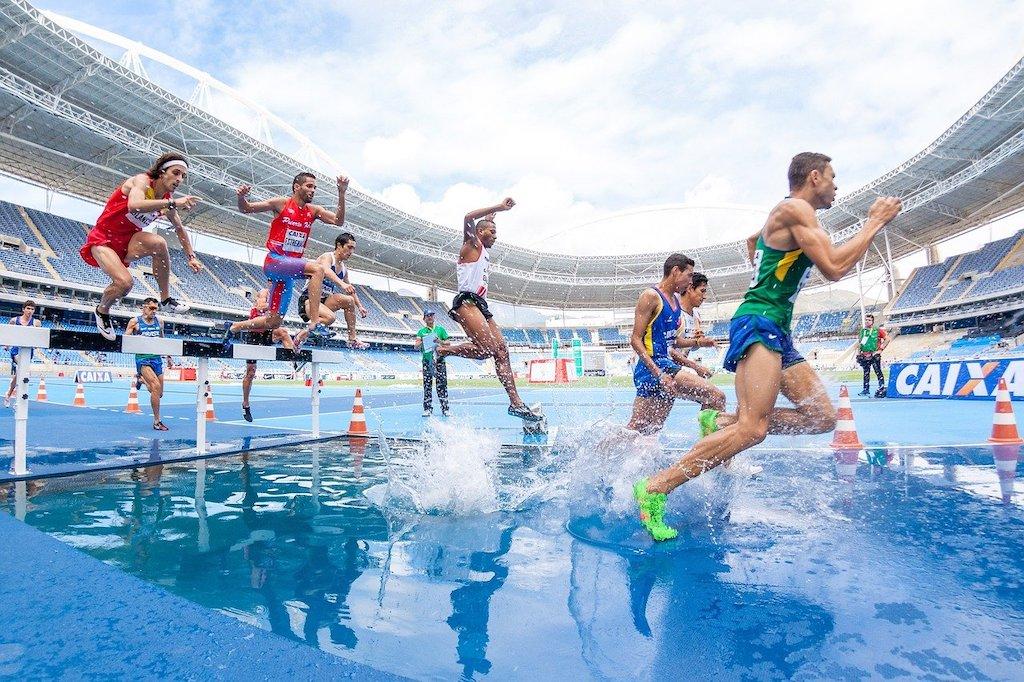
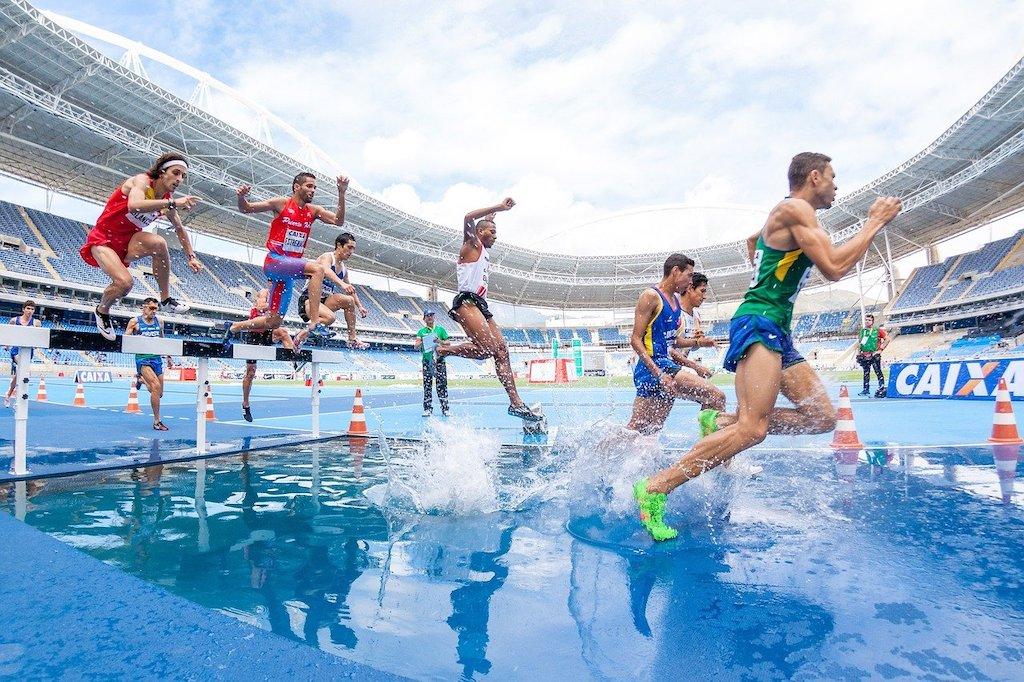
The water jump is a fixed barrier followed by a pit 3.66m long. The water is about 70cm deep right after the barrier and slopes up to track level at the far end, so the further you jump, the shallower the water you land in. It sits on the back bend, on either the inside or outside of the track, which is why steeplechase laps aren't exactly 400m. Learn how to clear it in our water jump technique guide.
The rules
- You must go over every barrier and over or through the water.
- You can clear a barrier any way you like: hurdle it, step on it, or even put your hands on it.
- Your trailing leg or foot must not pass beside the barrier below the height of the top bar.
- General distance-running rules apply too, such as not obstructing other runners.
Breaking these rules can get you disqualified.
Why it's so hard
- Every barrier costs energy. You rise and land 35 times, often while tired.
- The water jump breaks your rhythm. Wet shoes and a one-foot landing in the water make it tough to get going again.
- Crowds. Bunched fields make it hard to see barriers, and falls are common, especially when barriers are wet.
- You can't count steps. Unlike the 400m hurdles, steeplechasers adjust their stride to each barrier on the run.
Who should try it?
Middle and long distance runners with some athleticism tend to suit the steeplechase. Hurdlers with endurance can do well too. You don't need to be a hurdler to start, because stepping on the barriers is allowed. See how to clear steeplechase barriers.
The fastest steeplechasers ever
- Men's world record: 7:52.11, Lamecha Girma (2023).
- Women's world record: 8:44.32, Beatrice Chepkoech (2018).
Kenyan men dominated the event for decades, winning every Olympic title from 1984 to 2016. Morocco's Soufiane El Bakkali won in 2020 and 2024. For age-group benchmarks, see good steeplechase times by age.
FAQs
Why is it called the steeplechase?
The event comes from 19th-century British cross-country races, where runners raced from one church steeple to the next, crossing walls, ditches and streams on the way.
Do you have to jump in the water?
You must go over or through the water, but good steeplechasers land with only one foot in it and step straight out.
Can you fall in the water?
Yes, and it happens, but the pit is shallow near the exit. If you fall anywhere, get up and keep running. You can still finish.
What spikes do steeplechasers wear?
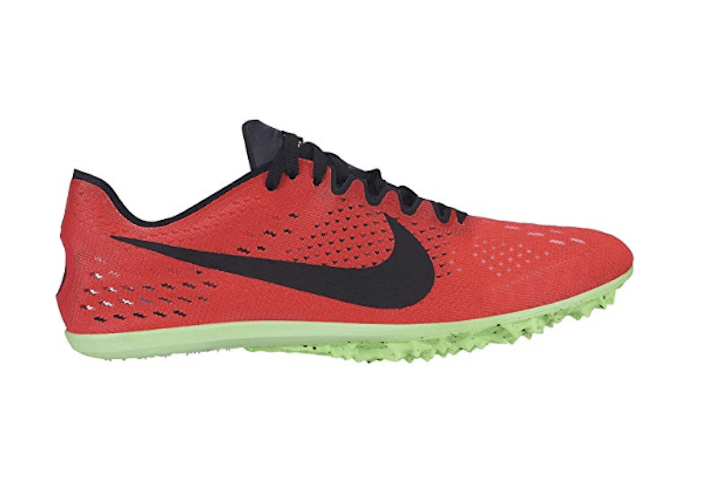
Distance spikes that drain water well. See our guide to the best steeplechase spikes.
Sources
- Wikipedia: 3000 metres steeplechase
- Steeplechics: Steeplechase rules
- Sports Illustrated: Steeplechase, track's most misunderstood event
Keep reading
About the author: David James is a former high-school and semi-professional track and field athlete who competed at national level in Australia and the UK.
Newsletter
Get one useful session every week
A practical workout, a technique cue and the guides worth reading next. Free, and you can unsubscribe at any time.