By David James · November 2026
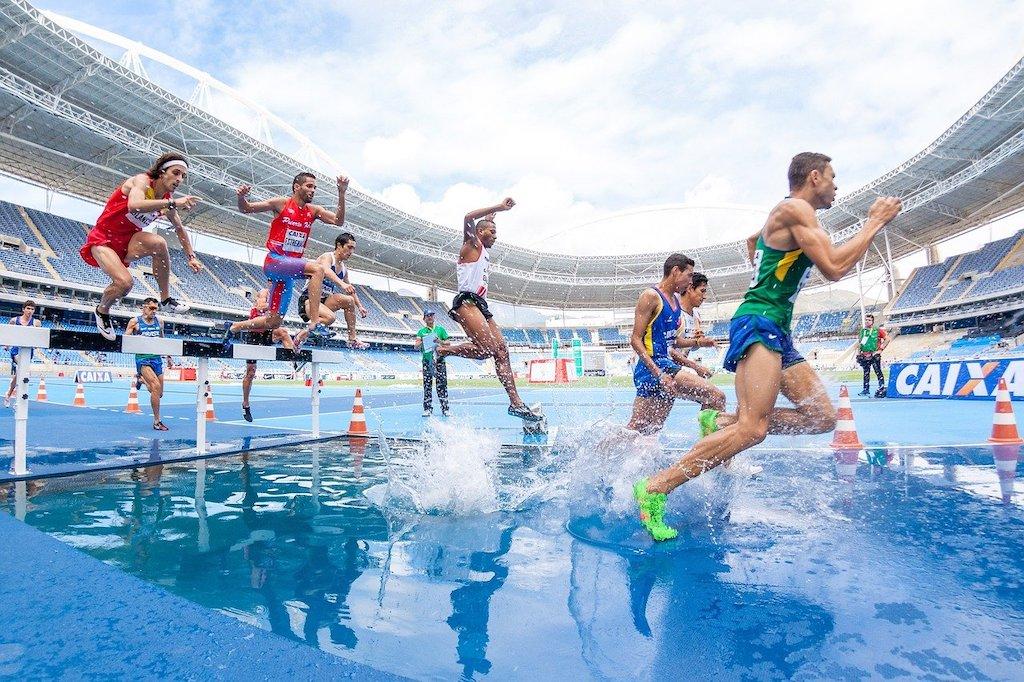
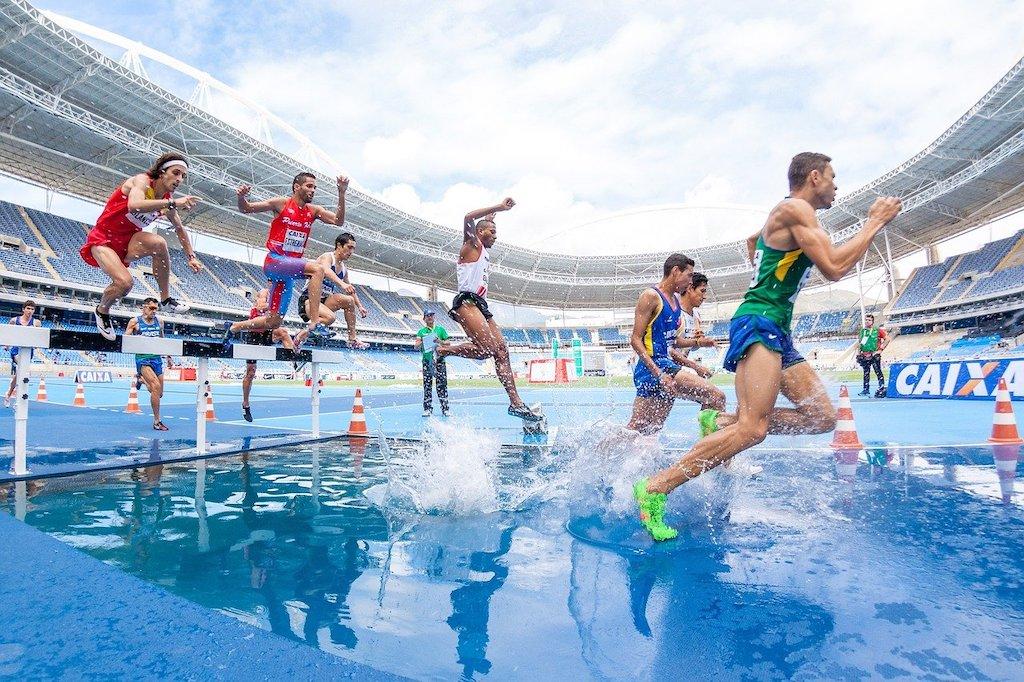
The water jump is the part of the steeplechase most runners worry about, and the place where races are often won and lost. A good water jump keeps your speed. A poor one leaves you knee-deep, with soaked shoes and a lost rhythm. This guide breaks the technique down step by step, using research on what faster steeplechasers do differently.
What the water jump looks like
It's a fixed barrier, the same height as the others, with a 3.66m pit on the far side. The water is about 70cm deep right after the barrier and gets shallower towards the exit. The further you land, the less water you land in and the easier it is to run out.
Step-by-step technique
1. Approach with speed
Pick up the pace slightly in the last few strides. Hesitating or chopping your steps kills the momentum you need to carry you across the pit. Coaches suggest starting to judge your approach about twelve steps out.
2. Step up onto the barrier
Almost every steeplechaser steps on the water barrier rather than hurdling it. Plant one foot on the top bar, with your heel near the back edge, and let the foot roll forward over the top. Keep your knee bent and your body low.
3. Push out, not up
Drive forward off the barrier, aiming across the pit rather than up into the air. Jumping high wastes energy and makes you land steeply in deeper water.
4. Land one foot in the water
Land on your opposite foot in the shallow part of the pit, then take your next step onto dry track. Expect one wet foot. Avoid landing flat-footed on both feet in the deep water.
5. Run straight out
Keep your arms driving and get back to your rhythm immediately. The first few strides after the water are where tired runners lose ground.
What faster steeplechasers do
A 2023 study filmed men in the heats of a Japanese college championship and compared the athletes who made the final with the slowest finishers (PeerJ, 2023):
| Measure | Faster group | Slower group |
|---|---|---|
| Take-off distance from the barrier | 1.43m | 1.34m |
| Landing distance into the pit | 2.95m | 2.74m |
- Faster runners took off further back and landed further into the pit, where the water is shallower and running out is easier.
- Both groups landed shorter in the second half of the race as they tired. Landings in lap 7 were noticeably shorter than in lap 1.
- Time from take-off to touching the water was similar for both groups, at about 0.8 seconds.
The takeaway: keep attacking the water jump in the last laps, when fatigue makes everyone land short.
Which foot goes on the barrier?
Use the foot that feels natural, usually the same leg you'd lead with over a hurdle. Over time, practise with both feet. Stride lengths change during a race, and being able to step up with either foot means you never have to stutter before the barrier.
How to practise
- Start dry. Practise stepping onto a barrier or a low box and pushing out onto grass or a long jump pit.
- Use a sand pit. Set a barrier in front of a long jump pit to practise distance without getting wet.
- Then use the water. Do several practice jumps at steady pace before a race, as one experienced steeplechaser put it, “A LOT”.
- Practise when tired. Include water jumps late in workouts, because that's when landings get short.
Common mistakes
- Slowing down before the barrier.
- Jumping high instead of out.
- Landing on both feet in the deep part of the pit.
- Stopping to recover after landing.
FAQs
Should I hurdle the water barrier?
Very few athletes do. Stepping on it lets you push further across the pit, which is faster for almost everyone.
Is it dangerous to fall in the water?
Falls happen, but the pit is designed with a sloped floor and matting. Get up and keep going.
Do spikes matter for the water jump?
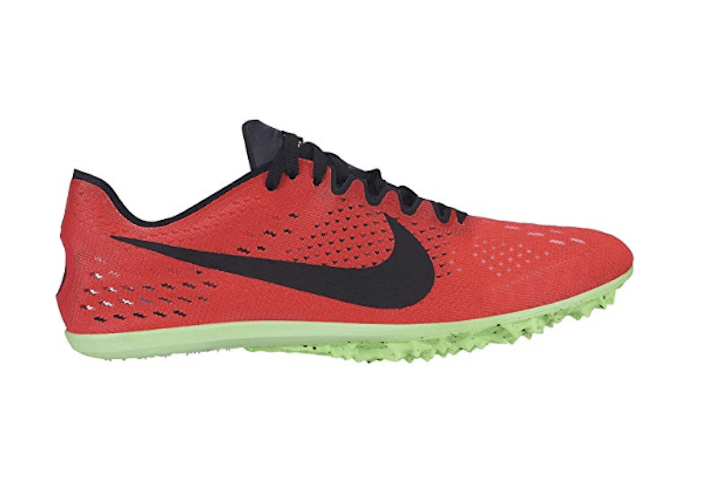
Yes. Spikes that drain quickly feel lighter after each lap. See the best steeplechase spikes.
Sources
- Characteristics of water jump for better performance in collegiate male 3000m steeplechase (PeerJ, 2023)
- CoachUp: Steeplechase basics
- Slowtwitch forum: Steeplechase
Keep reading
About the author: David James is a former high-school and semi-professional track and field athlete who competed at national level in Australia and the UK.
Newsletter
Get one useful session every week
A practical workout, a technique cue and the guides worth reading next. Free, and you can unsubscribe at any time.